
Adding fruit to your diet is a surefire way to become healthier. A daily intake of fruit can benefit your body in many ways. You will be amazed at how much better you will feel when you start eating more fruit. Keep reading to uncover some amazing things that fruit does for you body.
You know that you need to drink more water. But if you are like most people, you don't get your six to eight glasses of water per day. But did you know that fruit is 80% water? So if you add more fruit to your diet, you will be getting more water in your diet. There is no other food on the planet that contains this much water.
If you have digestive problems such as abdominal cramping, constipation or diarrhea, you can alleviate some of these symptoms by eating fruit. Fruits contain natural fiber that will help to regulate your bowel movements. It has also been proven that fruits are very effective in lowering your cholesterol levels. This can help to prevent heart disease and stroke.
Other studies are finding evidence that fruit helps to stimulate the memory. People who eat fruit on a regular basis are able to retain information and recall it faster than those who do not make fruit a part of their diet. Studies have also proven that people who eat fruit or drink fruit juices on a regular basis will decrease their risk of getting Alzheimer's disease by as much as 76%.
One great reason to eat fruit is that it is relatively inexpensive. Some people think that fresh fruit is too expensive and they cannot afford it. But think about the price you pay for the take out meals or that pack of potato chips. If you make it a habit to replace those unhealthy snacks with fruit, you will not notice a difference in your food bill. If fact, it may be less! The real benefit to replacing unhealthy snacks with fruits is the fact that you are becoming much healthier. There is no way to put a price on your health.
We must remember that fruit is the most natural food on the planet. There are not many other types of food that you can just pick from the tree or bush and pop into your mouth without having to cook it first. Your body craves these all natural foods. Fruit is food the way it is meant to be.
So if you think that fruit is not that important to your health, think again. It can provide your body with water, improve your memory and it can help prevent disease. There are so many benefits in something that is all natural and so easily obtainable. Do your body a favor and start eating more fruit. You will love the way you look and feel.
Eating vegetables provides health benefits - people who eat more fruits and vegetables as part of an overall healthy diet are likely to have a reduced risk of some chronic diseases. Vegetables provide nutrients vital for health and maintenance of your body.
Health benefits
- Eating a diet rich in fruits and vegetables as part of an overall healthy diet may reduce risk for stroke and perhaps other cardiovascular diseases.
- Eating a diet rich in fruits and vegetables as part of an overall healthy diet may reduce risk for type 2 diabetes.
- Eating a diet rich in fruits and vegetables as part of an overall healthy diet may protect against certain cancers, such as mouth, stomach, and colon-rectum cancer.
- Diets rich in foods containing fiber, such as fruits and vegetables, may reduce the risk of coronary heart disease.
- Eating fruits and vegetables rich in potassium as part of an overall healthy diet may reduce the risk of developing kidney stones and may help to decrease bone loss.
- Eating foods such as vegetables that are low in calories per cup instead of some other higher-calorie food may be useful in helping to lower calorie intake.
Nutrients
Food sources of the nutrients in bold can be found in the Dietary Guidelines for Americans. Click on the nutrient name to link to the food sources table.
- Most vegetables are naturally low in fat and calories. None have cholesterol. (Sauces or seasonings may add fat, calories, or cholesterol.)
- Potassium rich nutrientsVegetables are important sources of many nutrients, including potassium, dietary fiber, folate (folic acid), vitamin A, vitamin E, and vitamin C.
- Diets rich in potassium may help to maintain healthy blood pressure. Vegetable sources of potassium include sweet potatoes, white potatoes, white beans, tomato products (paste, sauce, and juice), beet greens, soybeans, lima beans, winter squash, spinach, lentils, kidney beans, and split peas.
- Dietary fiber from vegetables, as part of an overall healthy diet, helps reduce blood cholesterol levels and may lower risk of heart disease. Fiber is important for proper bowel function. It helps reduce constipation and diverticulosis. Fiber-containing foods such as vegetables help provide a feeling of fullness with fewer calories.
- Folate (folic acid) helps the body form red blood cells. Women of childbearing age who may become pregnant and those in the first trimester of pregnancy should consume adequate folate, including folic acid from fortified foods or supplements. This reduces the risk of neural tube defects, spina bifida, and anencephaly during fetal development.
- Vitamin A keeps eyes and skin healthy and helps to protect against infections.
- Vitamin E helps protect vitamin A and essential fatty acids from cell oxidation.
- Vitamin C helps heal cuts and wounds and keeps teeth and gums healthy. Vitamin C aids in iron absorption.
There
are innumerable health benefits of eating meat, to say,
for example, it serves as a fabulous source of high
quality proteins, which a single vegetarian food is not
able to provide. It contains all the essential amino
acids that the body requiThe red meat contains very high quantities of iron, when
compared with plant origin foods. 100 grams of Liver
contains 6000 mcgm of iron as against 325 mcgm in
100-gram carrots. Read further to explore information
about the advantages of eating meat.
The phosphorus content present in meat gets much more
easily absorbed than that present in cereals and
legumes. This is owing to the fact that cereals and
legumes contain phosphorus, usually in the form of
phytic acid that must be hydrolyzed before absorption.
Meat also serves as the main source for the intake of
vitamin B12.
Though meat is rich in nutrients, but, there are certain
things that meat lacks in. It doesn't contain any kind
of fiber, which helps to keep your digestive system in
order. Also it is very high in saturated fats, thus it
is recommended to eat meat, but in moderate quantities.eat, but in moderate quantities.
Preserved meats like ham, bacon, salami etc should be
avoided, as they are very high in terms of fats, salts,
nitrites and nitrates that are often held responsible
for causing cancer. It is recommended to eat not more
than 60-75 grams of meat per day and not more than
thrice a week.
The fact the average age of people developing and dying from heart disease is constantly decreasing has considerably increased the importance attached to coronary health. Although a great many advances have been registered in the treatment of heart disease, experts in the field basically recommend that careful precautions be taken before such diseases ever arise. Experts also recommend one important foodstuff for the healthy functioning of the heart and the prevention of disease: fish.
The reason why fish is such an important source of nutrition is that it both provides substances necessary for the human body and also reduces the risk of various diseases. For example, it has been revealed that when fish—which acts as a shield in terms of health with the omega-3 acid it contains—is consumed on a regular basis, it reduces the risk of heart disease and strengthens the immune system.
In fact, when we examine the nutritional properties of fish, we encounter some very striking facts. Fish, given to us as a blessing by our Lord, are a perfect food, particularly in terms of protein, vitamin D and trace elements (certain elements found in minimal quantities in the body but which are still of great importance to it). Due to the minerals they contain—such as phosphorus, sulphur and vanadium—fish encourages growth and enables tissues to recover. Fish meat also assists in the formation of healthy teeth and gums, benefits the complexion, makes the hair healthier and contributes to the fight against bacterial infection. It also plays an important role in the prevention of heart attacks as it beautifully regulates the level of cholesterol in the blood. It helps the body to break down and use starch and fats, making it stronger and more energetic. On the other hand, it also influences the functioning of mental activities. In the event that the vitamin D and other minerals contained in fish are not consumed in sufficient quantities, disorders such as rickets (bone weakness), gum disease, goitre and hyperthyroid may all arise.
In addition, modern science has also discovered that the omega-3 fatty acids in fish also occupy an important place in human health. These fats have even been described as essential fatty acids.
The Benefits of Omega-3 in Fish Oil
There are two kinds of unsaturated fatty acid in fish
oil which are particularly important for our health: EPA
(eicosapentaenoic acid) and DHA (docosahexaenoic acid).
EPA and DHA are known as polyunsaturated fats and
contain the important omega-3 fatty acids. Since the
fatty acids omega-3 and omega-6 are not manufactured in
the human body, they need to be taken in from the
outside.
There is a large body of evidence relating to the benefits to human health of fish oil, the actual benefit stemming from its omega-3 fatty acid content. Despite being present in vegetable oils, these omega-3 fatty acids are less effective in relation to human health. However, marine plankton is very effective at turning omega-3 into EPA and DHA. When fish eat plankton, their constitution becomes much richer in EPA and DHA. That, in turn, makes fish one of the richest sources of these vitally important fatty acids.
Vital Benefits of the Fatty Acids Found in FishOne of the main features of the fatty acids in fish is the contribution they make to the body’s energy production. These fatty acids carry out electron transfers by attaching themselves to oxygen in the body and permit energy to be produced for various chemical processes within it. There is therefore considerable evidence that a diet rich in fish oil helps combat fatigue and increases mental and physical capacity. Omega-3 increases the individual’s powers of concentration as much as it does his or her energy levels. There is a scientific foundation to the old saying “fish is good for the brain”: The main compound in brain fat is DHA, which contains omega-3 fatty acids.
The Importance of Fish for a Healthy Heart and Arteries
The omega-3 fatty acid in fish is acknowledged to protect against cardiovascular disease by reducing blood pressure and the cholesterol and triglyceride in the blood. 2 Triglyceride is a form of fat and resembles LDL (bad cholesterol) which is high in fat and low in protein content. A raised triglyceride level, especially together with high cholesterol, increases the risk of heart disease. In addition, fish oils reduce life-threatening post-heart attack abnormal heart rhythms.
In one study by the American Medical Association, it was observed that heart attack levels in women eating five portions of fish a week fell by one-third. This is thought to stem from the omega-3 fatty acids in fish oil causing less blood clotting. The normal speed of blood in our veins is 60 kmph (37.3 mph) and it is of vital importance for the blood to be of the right viscosity and for the density, quantity and speed to be at normal levels. The worst danger for our blood—apart from normal conditions of bleeding—is for it to clot and lose the ability to flow properly. Fish oils are also effective in reducing blood clotting by preventing the thrombocytes in the blood (blood platelets that concentrate the blood in the event of bleeding) from adhering to one another. Otherwise, blood thickening can lead to narrowing of the arteries. In turn, this can lead to many organs in the body—especially the heart, brain, eyes and kidneys—receiving an inadequate blood supply, function deceleration and eventually, loss of function. For example, when an artery is totally blocked on account of clotting this can lead to heart attack, paralysis or other disorders, depending on the location of the artery.
Omega-3 fatty acids also play an important role in the production of the molecule haemoglobin, that carries oxygen in the red blood cells, and in controlling the nutrients passing through the cell membrane. They also prevent the damaging effects of fats harmful to the body.
Importance for the Development of New Born Babies
Being an important component of the brain and eye, omega-3 fatty acids have been the subject of research, especially over the last 10 years, in connection with the needs of new born babies. There is a considerable body of evidence relating to the importance of omega-3 to the development of the foetus in the mother’s womb and of the new-born baby. Omega-3 is of the greatest importance for the proper development of the brain and nerves throughout pregnancy and in early babyhood. Scientists emphasise the importance of mother’s milk since it is a natural and perfect store of omega-3.
Benefits for Joint Health
The major risk in rheumatoid arthritis (a painful joint condition linked to rheumatism) is that of wearing of the joints, leading to irreparable damage. It has been proven that a diet rich in omega-3 fatty acids prevents arthritis and reduces discomfort in swollen and sensitive joints.
Benefits Regarding the Healthy Functioning of the Brain and Nervous System
A large number of studies have revealed the effects of omega-3 fatty acids on the healthy functioning of the brain and nerves. In addition, it has been shown that fish oil reinforcement can reduce symptoms of depression and schizophrenia and prevent Alzheimer’s disease (a brain disease which causes loss of memory and hinders day-to-day activities). For example, reductions in such problems as anxiety, stress and sleeping difficulties have been observed in individuals suffering from depression who took 1 gram of omega-3 fatty acid over a period of 12 weeks. 3
Benefits against Inflammatory Disorders and Strengthening of the Immune System
At the same time, omega-3 fatty acids have an anti-inflammatory (infection preventing) function. Omega-3 can therefore be employed in the following diseases:
- Rheumatoid arthritis (joint infection linked to rheumatism),
- Osteoarthritis (a form of arthritis gradually degenerating the functions of joints)
- Ulcerative colitis (ulcers linked to the inflammation of the colon), and
- Lupus (a disease which causes patches on the skin).
- It also protects myelin (the material surrounding nerve cells).
- Glaucoma (an eye disorder marked by abnormally high pressure within the eyeball that may even lead to blindness)
- Multiple sclerosis (a serious progressive disease resulting from tissue hardening in the brain and spinal cord),
- Osteoporosis (a disease leading to structural weakening in the bone structure)
- Diabetes patients.
- Migraine patients
- Anorexia (a possibly fatal eating disorder)
- Burns
- Problems concerning skin health.
There is also wide-ranging evidence that societies such as the Greenland Eskimos and Japanese, who eat a lot of fish, rich in omega-3 fatty acid, have a much lower incidence of heart and artery disease, asthma and psoriasis. Fish is therefore recommended as a form of treatment and is particularly recommended by nutritionists on account of its proven benefits for coronary health.
Additional benefits to those outlined above are emerging every day. Moreover, it has only been possible to reveal the health benefits of fish by a great many scientists working in well-equipped research laboratories.
It
wasn’t very long ago that nuts were feared. – They were
considered a dieting disaster, with far too high a fat
and calorie content to be anything but bad for you!
Recently though, extensive studies have shown that the
opposite is actually the case. – Nuts are incredible for
the human body. Recently there have been many health
discoveries showing that nuts are a wonderful protein
source that are great for everyone, and should be added
to our diets.
Yes – nuts contain a lot of fat, and they are relatively
loaded with calories considering that they are a plant
food. Our understanding of fat has changed, however, and
we now know that most of the fat in nuts is
polyunsaturated or monounsaturated. These fats aren’t
nearly as bad for you as others, aren’t as prone to
causing weight gain, and most important of all, actually
have the ability to lower your LDL cholesterol
levels. In fact, nuts have actually been shown to be
extremely good for your heart – modern studies have
concluded that a proper daily amount of nuts can lower
your chance for developing heart disease by as much as
35%. - Astounding news for a food that was once feared
for it’s possible weight gain and destructive
cardiovascular effects.
Nuts are an incredible source of protein. – Protein is
very important for our bodies, but unfortunately in a
lot of places that it’s commonly found (Such as red
meats), getting our recommended protein amounts can have
negative side effects on our hearts. This makes nuts
wonderful, because you can get a lot of protein from
them without worrying about hurting your precious heart.
They are especially great for vegetarian diets, as
vegetarians can have a hard time meeting the recommended
amount of protein their bodies need.
Nuts are terrific sources of energy. Protein is an
important ingredient for energy, and when combined with
the other minerals in nuts make them perfect for
providing longer, more constant energy levels. In
addition to proteins, nuts also happen to rich in the
powerful antioxidants selenium and vitamin E.
Anti-oxidants have recently been identified as having
powerful anti-aging effects on the body due to their
ability to block the damage caused by free-radicals,
substances that contribute to early aging.
On studies involving nuts in daily diet, results showed
that nearly all forms of nuts had similar effects,
though the most beneficial nuts today are generally
considered to be peanuts, almonds, and cashews. These
studies also suggest that a good daily dosage of nuts be
between 1 to 2 ounces to see receive the best benefit.
While they are very healthy, nuts can be a rather
addicting snack, and combined with their elevated levels
of calories can cause weight gain if you don’t exercise
a little discipline with your snacking. Fortunately,
nuts also satisfy hunger very well.
Overall, nuts are a powerful food that is packed with
surprising and astounding benefits. Their ability to
reduce the risk of heart disease while protecting
against aging and providing solid energy levels makes
them a highly desired health food, as long as a person
keeps their intake levels low. They are still loaded
with calories, and can contribute to weight gain if high
levels are consumed on a regular basis. If you keep your
intake down, however, you’ll notice remarkable
improvements in your health, and you can rest easier at
night knowing that you are helping your heart and
bettering your chances at escaping cardiovascular
disease.
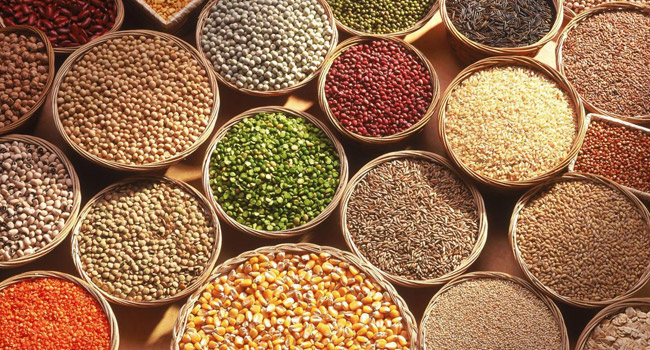
Whole
grains are an important part of healthy nutrition. There are numerous products available today which are
either 100% whole grains or contain traces of various
grains. However, not too many of us are aware of the
health benefits that this particular food group has to
offer. We all know that we should be consuming more of
it, but do we know why?
Whole grains are beneficial because they are rich in
protein, fiber, antioxidants, b-vitamins, and trace
minerals (such as: iron, zinc, copper, magnesium). By
consuming more of this product we can reduce the risk of
heart disease, type 2 diabetes, obesity, and certain
cancers. Consuming whole grains can also help you lose
weight. Not only will your bowel movements improve but
you will also promote the growth of healthy bacteria in
the colon. Furthermore, replacing products such as white
bread with whole grain products will help you feel
lighter and more energized.
With all of these health benefits it is surprising that
more people are not consuming the recommended daily
dosage of this food group. It is recommended that the
average adult eat at least three servings daily. Doing
so will not only improve your health, but it will also
improve your energy levels and your weight. Eating a
healthy diet, exercising, and even taking all natural
diet pills can help you attain quick weight loss. Eating
whole grains can be a major part of achieving your ideal
weight while at the same time improving your health.
Since it is strongly recommended to consume more protein
and fiber in order to attain weight loss (and whole
grains are rich in fiber and protein), eating more whole
grains makes complete sense.
Adding fruit to your diet is a surefire way to become healthier. A daily intake of fruit can benefit your body in many ways. You will be amazed at how much better you will feel when you start eating more fruit. Keep reading to uncover some amazing things that fruit does for you body.
You know that you need to drink more water. But if you are like most people, you don't get your six to eight glasses of water per day. But did you know that fruit is 80% water? So if you add more fruit to your diet, you will be getting more water in your diet. There is no other food on the planet that contains this much water.
If you have digestive problems such as abdominal cramping, constipation or diarrhea, you can alleviate some of these symptoms by eating fruit. Fruits contain natural fiber that will help to regulate your bowel movements. It has also been proven that fruits are very effective in lowering your cholesterol levels. This can help to prevent heart disease and stroke.
Other studies are finding evidence that fruit helps to stimulate the memory. People who eat fruit on a regular basis are able to retain information and recall it faster than those who do not make fruit a part of their diet. Studies have also proven that people who eat fruit or drink fruit juices on a regular basis will decrease their risk of getting Alzheimer's disease by as much as 76%.
One great reason to eat fruit is that it is relatively inexpensive. Some people think that fresh fruit is too expensive and they cannot afford it. But think about the price you pay for the take out meals or that pack of potato chips. If you make it a habit to replace those unhealthy snacks with fruit, you will not notice a difference in your food bill. If fact, it may be less! The real benefit to replacing unhealthy snacks with fruits is the fact that you are becoming much healthier. There is no way to put a price on your health.
We must remember that fruit is the most natural food on the planet. There are not many other types of food that you can just pick from the tree or bush and pop into your mouth without having to cook it first. Your body craves these all natural foods. Fruit is food the way it is meant to be.
So if you think that fruit is not that important to your health, think again. It can provide your body with water, improve your memory and it can help prevent disease. There are so many benefits in something that is all natural and so easily obtainable. Do your body a favor and start eating more fruit. You will love the way you look and feel.